Spring Into Action With Local Contractors for Culvert Installation
Spring is the ideal time for property owners to plan culvert installations with local contractors who can ensure proper drainage and long-lasting results.
Spring is often considered an ideal season for culvert installation projects because it marks a time when ground conditions are more favorable for excavation and construction work. As winter snowmelt and rain tend to increase water flow in drainage areas, property owners may recognize the importance of ensuring proper water management before heavy rains or seasonal storms arrive. Additionally, spring’s milder weather allows for safer and more efficient work conditions, reducing the likelihood of delays caused by extreme cold or frozen ground. This seasonal window encourages property owners to evaluate their drainage systems and plan necessary upgrades or repairs early in the year.
Culvert installation services generally encompass the assessment of existing drainage pathways, excavation and preparation of the site, and the placement of culverts to facilitate proper water flow beneath driveways, roads, or landscaped areas. Proper installation helps prevent flooding, erosion, and water damage by directing runoff away from structures and foundations. Local contractors often handle tasks such as grading, pipe selection, and ensuring that the culverts are properly aligned and securely installed to withstand seasonal water pressures. These services are essential for maintaining the integrity of a property’s drainage system and supporting long-term landscape stability.
For property owners considering culvert installation, comparing local service providers can help identify experienced contractors who understand regional weather patterns and soil conditions. It’s beneficial to review the scope of services offered, the quality of materials used, and the approaches to site preparation and installation. Consulting with multiple local contractors allows for a clearer understanding of the options available and helps ensure that the chosen provider can meet the specific drainage needs of the property. This comparison process supports informed decisions and helps select a contractor who can deliver reliable, effective culvert solutions tailored to the local area.
Explore local contractors to compare their expertise and prioritize your spring culvert installation project effectively.
- Proper Slope and Alignment - Ensuring correct slope and positioning is essential for effective water flow management.
- Material Selection - Choosing the right materials helps ensure durability and long-term performance.
- Site Preparation - Proper excavation and groundwork create a stable foundation for culvert installation.
- Installation Techniques - Skilled contractors use appropriate methods to secure and seal culverts effectively.
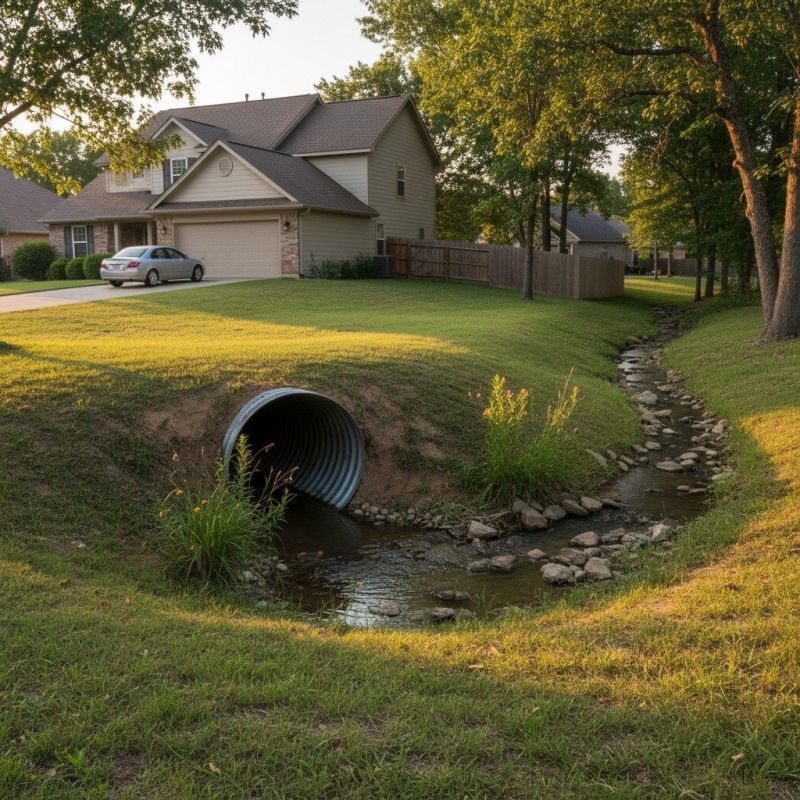
Spring is a great time to plan culvert installation by clearly describing your project and comparing options with trusted local contractors.
- Assess site conditions - evaluate the location for proper drainage flow and identify potential obstacles that could impact culvert placement.
- Select appropriate culvert materials - consider durability and suitability for the local environment to ensure long-lasting performance.
- Ensure proper sizing - verify that the culvert dimensions match the water flow requirements and site specifications.
- Plan for proper installation techniques - work with local contractors experienced in excavation, bedding, and backfilling to prevent future issues.
- Check for necessary permits - confirm that all required approvals are obtained before beginning installation to stay compliant with local regulations.
- Coordinate with local service providers - connect with experienced professionals who can handle the installation process efficiently and correctly.
Use this to explore ideas and refine the scope with trusted local contractors for spring culvert projects.
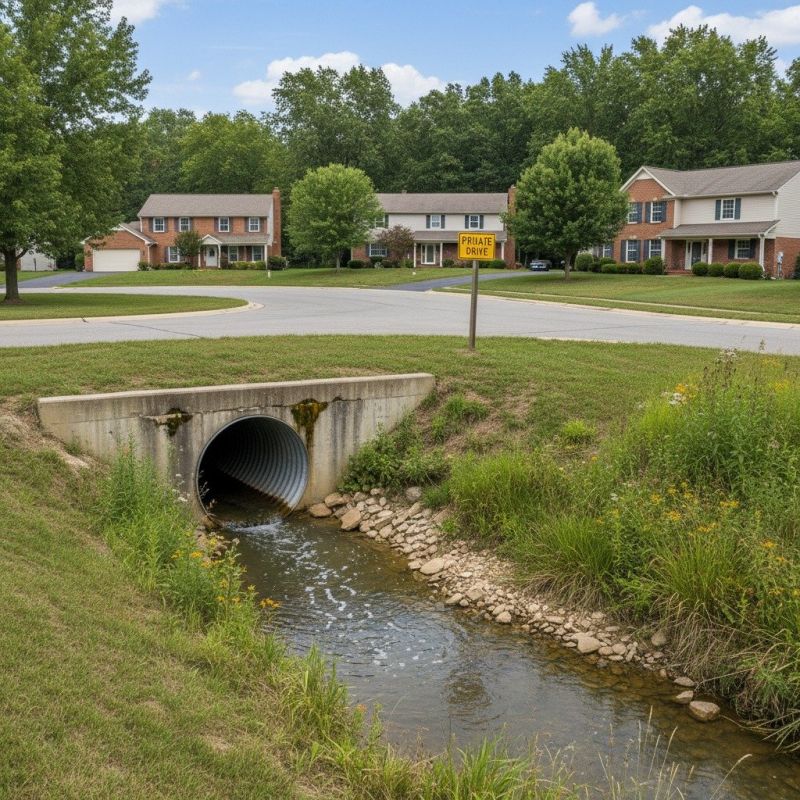
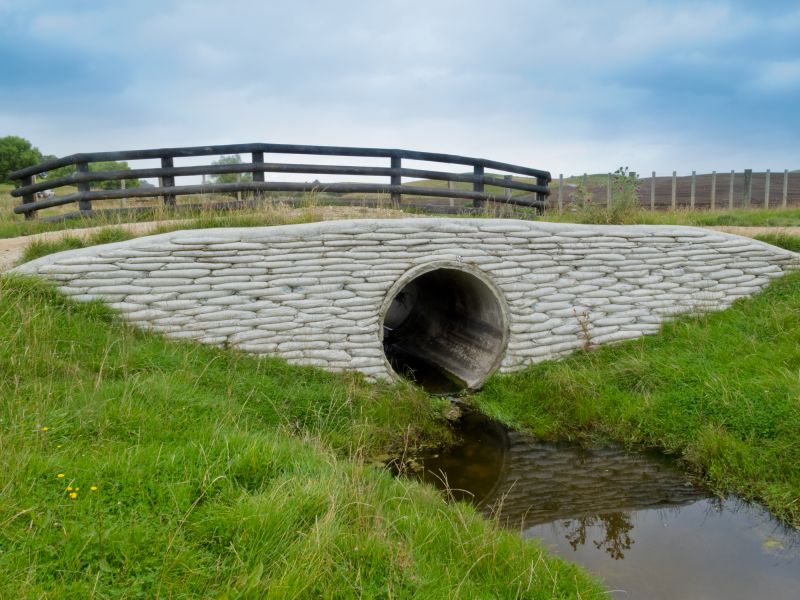
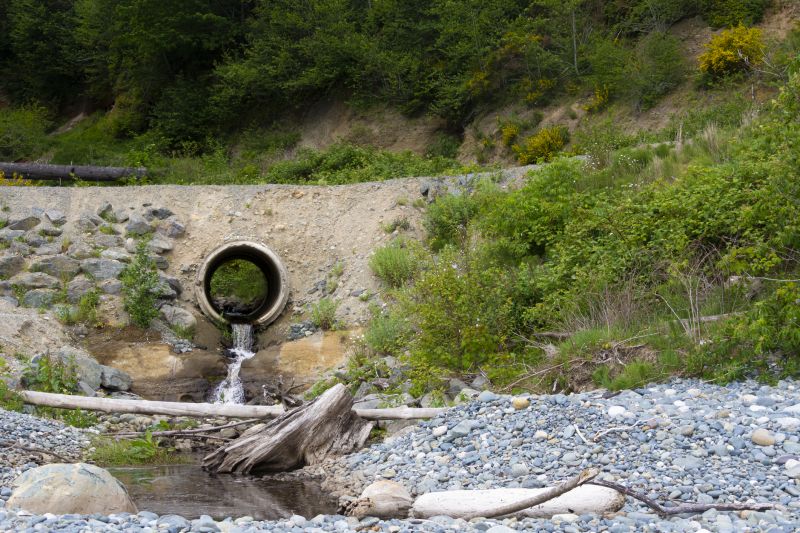
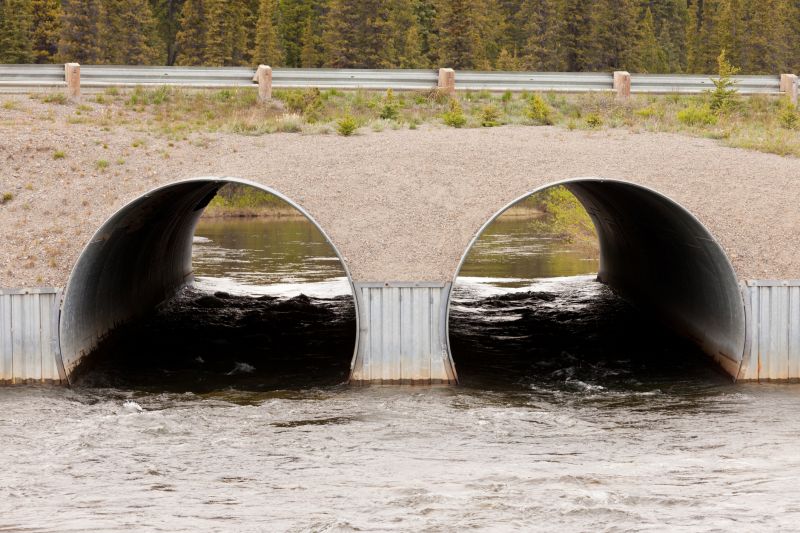
Plan your spring culvert installation by setting priorities and comparing local contractors to find the best match.
- Culvert Inspection and Assessment - Spring is a great time to have local contractors evaluate existing culverts for any damage or blockages caused by winter conditions.
- Drainage System Planning - Planning and designing new culvert installations can help improve water flow and prevent flooding during spring rains.
- Site Preparation for Culvert Installation - Local service providers can assist with clearing and preparing the site to ensure proper installation as weather conditions improve.
- Culvert Replacement Projects - Replacing aging or damaged culverts in the spring can help maintain proper drainage and support land development projects.
- Erosion Control and Reinforcement - Spring projects often include reinforcing culverts and surrounding areas to prevent erosion caused by increased water flow.
Compare local contractors' scope options for culvert installation to ensure consistent expectations across providers during your spring project planning.
- Site Assessment - Define the specific location and environmental conditions where the culvert will be installed.
- Design Specifications - Determine the appropriate culvert size, material, and type based on project requirements.
- Permitting Requirements - Identify necessary permits and approvals needed from local authorities before installation.
- Installation Methods - Outline the preferred techniques and procedures for proper culvert placement and integration.
- Material and Equipment Needs - Specify the tools, machinery, and materials required for a safe and effective installation process.
When comparing local contractors for culvert installation during the spring season, it is important to consider their experience with similar projects. Homeowners should look for service providers who have a proven track record of handling culvert installations in conditions comparable to their site. An experienced contractor will be familiar with the challenges that can arise in spring, such as increased ground moisture or seasonal weather changes, and will have the knowledge to address these factors effectively. Gathering information about past projects or asking for examples of completed work can help gauge a contractor’s familiarity with spring-specific site conditions.
A clear and detailed written scope of work is essential when evaluating options. Homeowners should seek service providers who can articulate the project plan in a straightforward manner, outlining each step involved in the culvert installation process. This includes discussing site preparation, material selection, installation techniques, and any necessary follow-up work. A well-defined scope helps ensure that expectations are aligned and provides a basis for comparing different contractors’ approaches, reducing the risk of misunderstandings or overlooked details.
Work planning considerations are crucial to ensure a smooth project during the busy spring season. Homeowners should inquire how contractors plan to coordinate the work, especially given the potential for unpredictable weather or seasonal ground conditions. Experienced service providers will have strategies for scheduling tasks around weather patterns, managing site access, and ensuring timely completion. Understanding their planning approach can help homeowners assess how well the contractor can adapt to seasonal challenges and maintain a consistent workflow.
Evaluating options without focusing solely on prices involves examining the quality of service and the contractor’s approach to the project. Homeowners can compare how different service providers communicate their methods, the level of detail they provide, and their responsiveness to questions. It is also helpful to consider their reputation for reliability, the thoroughness of their planning, and their experience with spring-specific projects. By focusing on these qualitative aspects, homeowners can identify local pros who are best suited to deliver a successful culvert installation during the spring season.
Request written details from local contractors to ensure the scope of your spring culvert installation remains clear and consistent.
- Scope Clarification - What specific tasks and responsibilities are included in the culvert installation services offered by local contractors?
- Material Options - How do different providers compare in terms of the types of culverts and materials they recommend for spring runoff management?
- Experience and Expertise - What level of experience do local service providers have with installing culverts in seasonal conditions?
- Service Coverage - Do local contractors offer comprehensive planning and assessment to determine the appropriate culvert size and placement?
- Project Scope Definition - How can homeowners ensure they are comparing providers who can handle the full scope of culvert installation projects?
What is culvert installation? Culvert installation involves placing pipes or channels beneath roads, driveways, or landscapes to allow water to flow efficiently and prevent flooding or erosion.
Why consider culvert installation in spring? Spring is an ideal time to plan culvert projects because of increased water flow and the opportunity to prepare for upcoming rainy seasons.
What types of culverts are available? There are various culvert types, including pipe culverts, box culverts, and arch culverts, each suited for different drainage needs and site conditions.
How do local contractors determine the right culvert size? Contractors assess factors such as water volume, flow rate, and site terrain to recommend the appropriate culvert size and type.
What are common reasons to install a culvert in spring? Spring installation can help manage snowmelt runoff, improve drainage, and prepare properties for heavy spring rains.
How can I find local service providers for culvert installation? This site helps connect property owners with local contractors experienced in culvert installation to compare options and get the job done efficiently.
Spring is an ideal time to plan culvert installation projects, whether for drainage, property management, or landscape improvements. Visitors have learned about the key considerations involved in choosing the right culvert type, understanding installation processes, and ensuring proper drainage solutions that suit their specific needs. With this knowledge, they can better evaluate options and prepare for a successful project.
To find the best fit for culvert installation, visitors are encouraged to use the quote form to compare local service providers. Connecting with local contractors allows for personalized assistance tailored to the unique requirements of each project, making it easier to explore options and select the right professional for the job.
Providing clear details about your culvert installation project helps local contractors understand your needs effectively.
- Project Details - Share information about the scope and specific requirements of the culvert installation project.
- Site Conditions - Describe the current site conditions, including access, terrain, and any existing infrastructure.
- Material Preferences - Indicate preferences for materials or types of culverts to be used in the installation.
- Additional Considerations - Mention any special considerations or challenges that may affect the installation process.