Get Culvert Replacement
Culvert replacement services help property owners fix damaged or failing culverts to prevent flooding, erosion, and drainage issues through various repair or installation projects.
If you are considering culvert replacement for your property, you are in the right place to explore your options. Properly functioning culverts are essential for managing water flow and preventing erosion, flooding, or property damage. Property owners in the area often look into culvert replacement when experiencing issues with drainage or planning improvements that require reliable water management solutions. Understanding the benefits of a well-maintained culvert can help ensure your land remains protected and functional for years to come.
Finding the right local contractors to handle culvert replacement involves comparing experienced service providers who understand the specific needs of your area. Whether addressing existing problems or preparing for future projects, it’s important to evaluate your options carefully. Keep reading to learn more about how local pros can assist with your culvert replacement needs and help you make informed decisions for your property’s water management system.
- Culvert Replacement - needed when existing culverts are damaged or failing, causing drainage issues.
- Drainage System Repair - required if water is pooling or flooding due to compromised culverts.
- Roadway Infrastructure Maintenance - necessary when culverts under roads are deteriorating and impacting traffic flow.
- Erosion Control Projects - needed when erosion threatens to undermine culvert stability and surrounding land.
- Property Drainage Improvements - sought when property owners experience poor water runoff or flooding problems.
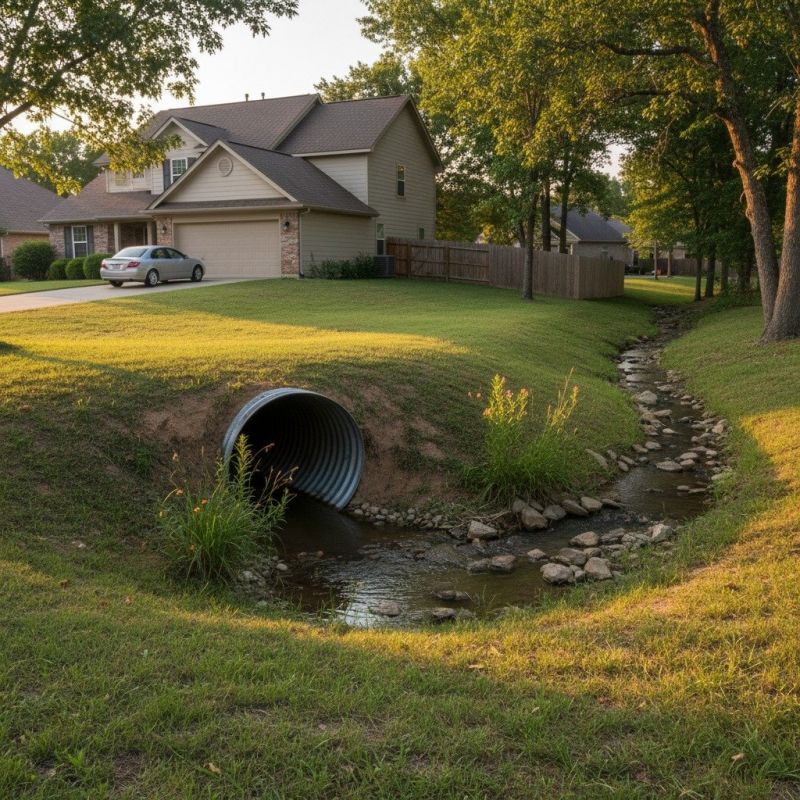
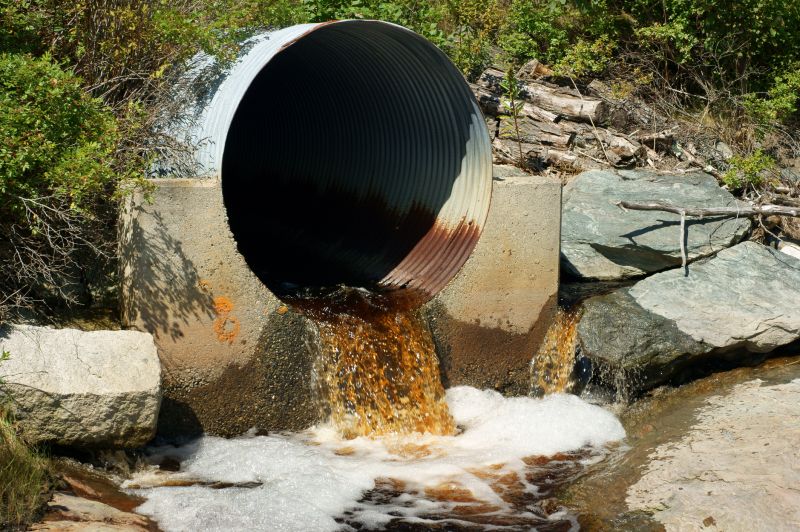
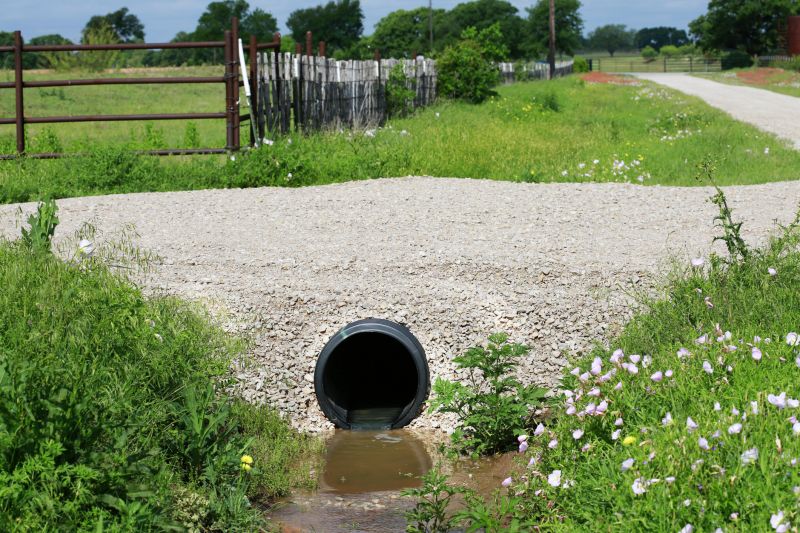
Culvert replacement services involve removing and installing new culverts to ensure proper water flow beneath roads, driveways, or other structures. This process typically includes assessing the existing culvert’s condition, excavating the area, removing the old or damaged culvert, and installing a new, durable pipe that can handle water runoff and prevent flooding. Experienced contractors use specialized equipment to complete the work efficiently and safely, making sure the new culvert is properly aligned and secured to maintain the integrity of the surrounding property.
These services help address common problems such as water pooling, erosion, and flooding caused by failing or blocked culverts. Over time, culverts can deteriorate due to age, heavy rain, or shifting soil, leading to cracks, collapses, or blockages that disrupt normal drainage. Replacing a damaged culvert restores proper water flow, reduces the risk of property damage, and prevents issues like soggy lawns, foundation problems, or roadway erosion. This work is essential for maintaining the safety and functionality of properties that rely on underground drainage systems.
Culvert replacement is often needed on residential properties with driveways, gardens, or yards that experience drainage issues. It is also common on rural farms, commercial properties, and areas prone to heavy rainfall or flooding. Properties situated on sloped land or near waterways are especially vulnerable to culvert problems, making replacement services a practical solution to prevent water-related damage. Homeowners and property managers who notice signs of poor drainage, such as standing water or soil erosion, should consider consulting local contractors for an assessment and potential culvert replacement.
Choosing to work with experienced service providers ensures the job is done correctly and efficiently. Local contractors can evaluate the specific needs of a property, recommend appropriate culvert sizes and materials, and handle all aspects of the replacement process. Proper installation not only improves drainage but also helps protect the property’s foundation, landscape, and infrastructure. Contacting qualified professionals for culvert replacement services can provide peace of mind that the drainage system is restored to function effectively, preventing future water issues and safeguarding the property’s long-term stability.
The overview below groups typical Culvert Replacement projects into broad ranges so you can see how smaller, mid-sized, and larger jobs often compare in your area.
In many markets, a large share of routine jobs stays in the lower and middle ranges, while only a smaller percentage of projects moves into the highest bands when the work is more complex or site conditions are harder than average.
Smaller Repairs - minor culvert repairs typically cost between $250 and $600, covering small fixes or patchwork on existing structures. Many routine jobs fall within this range, especially for straightforward issues. Larger or more complex repairs can exceed this range but are less common.
Partial Replacement - replacing a section of a culvert usually ranges from $1,000 to $3,000, depending on the length and material. Many projects in this category fall into the middle of this range, with fewer reaching the higher end for more extensive work.
Full Replacement - complete culvert replacements often cost between $4,000 and $8,000, especially for larger or more challenging sites. Many full replacements are within this range, though larger projects with complicated access can cost more.
Complex or Large-Scale Projects - extensive culvert replacements or projects involving significant site work can reach $10,000 or more. These are less common and typically involve additional factors like difficult terrain or environmental considerations.
Actual totals will depend on details like access to the work area, the scope of the project, and the materials selected, so use these as general starting points rather than exact figures.
Bridge Repair and Replacement - This project involves structural assessment and replacement skills similar to culvert replacement, requiring planning and heavy equipment handling by local contractors.
Drainage System Installation - Installing new drainage infrastructure involves similar planning, excavation, and pipe installation techniques used in culvert replacement services.
Stormwater Management Projects - Managing stormwater flow often requires culvert assessments and modifications, making these projects related in planning and construction methods.
Roadway Excavation and Reconstruction - Excavation and earth-moving skills used for roadwork are applicable in culvert replacement projects, especially in confined or challenging sites.
Stream and Creek Bed Restoration - Restoring waterways involves similar environmental assessment, excavation, and pipe or culvert installation skills as culvert replacement work.
Underground Utility Installation - Installing underground utilities requires precise planning and excavation techniques comparable to those used in culvert replacement services.
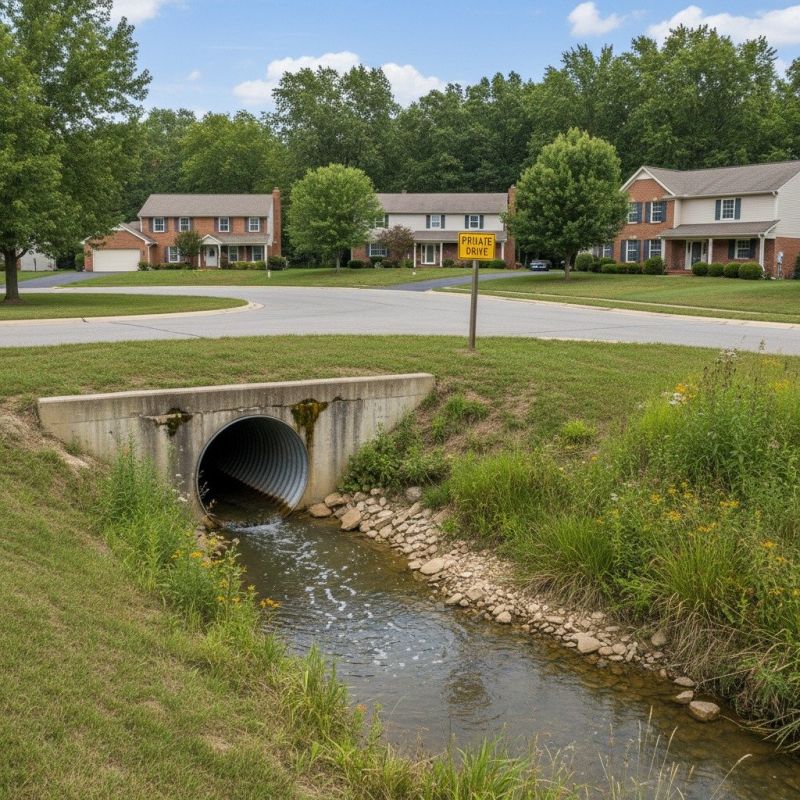
When evaluating potential contractors for culvert replacement, it’s important to consider their experience with similar projects. Homeowners should seek service providers who have a proven track record in handling culvert replacements comparable to the scope and complexity of their own site. Asking about past projects can provide insight into their familiarity with local soil conditions, drainage challenges, and permitting processes, helping to ensure that the contractor is well-equipped to deliver quality results.
Clear written expectations are essential for a successful project. Homeowners should look for service providers who can provide detailed proposals outlining the scope of work, materials to be used, and key milestones. Having these expectations documented helps prevent misunderstandings and ensures everyone is on the same page. Reputable local contractors will be transparent about their process and provide written estimates that clearly specify what is included, making it easier to compare options objectively.
Effective communication and reputable references are vital when choosing a contractor. Homeowners are encouraged to ask for references from previous clients who had similar culvert replacement projects. Speaking with past customers can reveal insights into the contractor’s professionalism, reliability, and ability to address unforeseen issues. Good communication throughout the process-such as timely updates and responsiveness-also indicates a contractor’s commitment to client satisfaction. The site introduces homeowners to local service providers who can handle the work, emphasizing the importance of selecting experienced, transparent, and communicative professionals for the job.
Property owners use Culvert Replacement services for practical projects around their homes and businesses. This guide focuses on everyday jobs and straightforward project options.
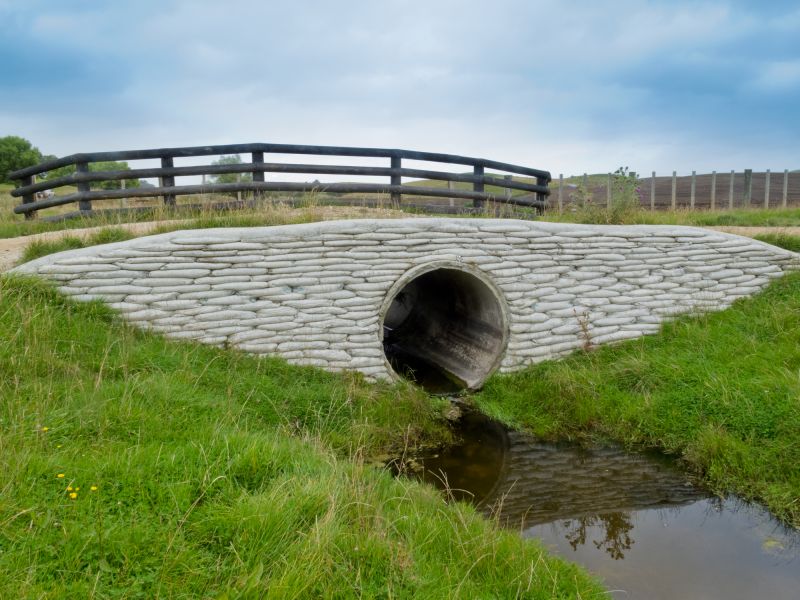
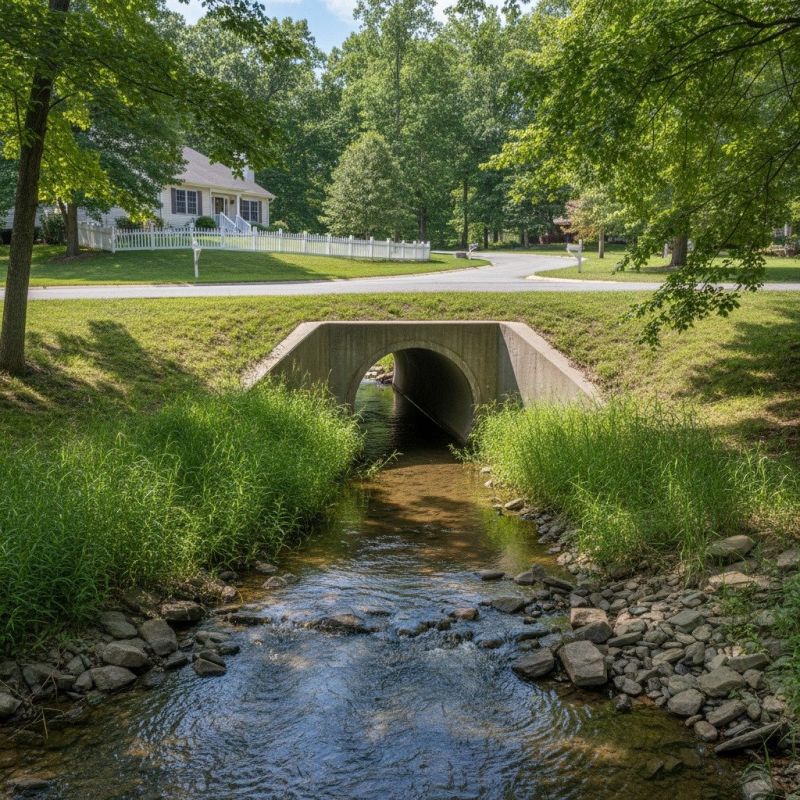
Culvert replacement services are often needed when property owners notice issues such as water pooling, erosion around drainage areas, or signs of structural deterioration. These situations can arise from aging infrastructure, heavy rainfall, or changes in land use that put additional stress on existing culverts. Local contractors experienced in culvert work can assess the condition of drainage systems and recommend appropriate solutions to restore proper water flow and prevent further damage.
Property owners in the area might seek culvert replacement to improve drainage around driveways, roads, or agricultural land, especially after experiencing flooding or drainage blockages. Replacing an outdated or damaged culvert can help maintain property value and reduce the risk of water-related issues. Service providers in the community can handle various project sizes, ensuring that drainage systems function effectively and support the property's overall stability and safety.
What is culvert replacement? Culvert replacement involves removing an existing culvert and installing a new one to ensure proper water flow and drainage beneath roads or driveways.
When should a culvert be replaced? Replacement may be necessary if the culvert shows signs of damage, such as cracks, corrosion, or blockage, which can lead to drainage issues or structural failure.
What types of culverts are available for replacement? Local contractors typically offer various options, including concrete, metal, or plastic culverts, depending on the project's requirements and site conditions.
How do local service providers handle culvert replacement projects? They assess the site, select appropriate materials, and perform installation to restore proper drainage and support infrastructure needs.
Can culvert replacement prevent flooding and erosion? Properly replaced culverts help manage water flow effectively, reducing the risk of flooding and erosion around the affected area.
Culvert Replacement Planning - Property owners can explore options for replacing aging or damaged culverts to ensure proper drainage and prevent flooding.
Drainage Improvement Ideas - Local contractors can assist with culvert upgrades to improve water flow during heavy rains or storms.
Flood Prevention Strategies - Homeowners can consider culvert replacement as part of a broader flood mitigation plan for their property.
Property Maintenance Projects - Replacing culverts can be integrated into routine property upgrades to maintain landscape integrity and prevent erosion.
If you are thinking about Culvert Replacement for a property, this guide is meant to help you understand the work, the typical project types, and how different options might fit your plans.
When you are ready, you can use the quote form on this page to share a few details about your project. From there, local pros can review the basics and respond with options that match what you have in mind.